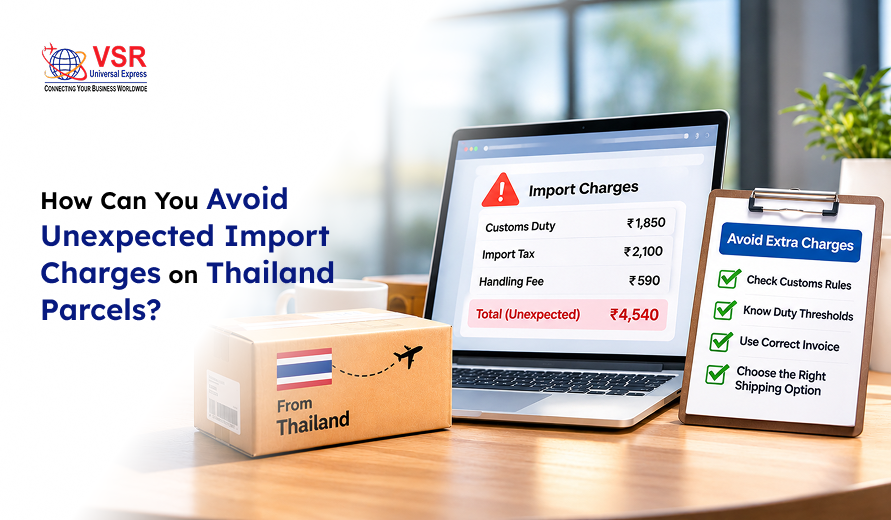
Sending a parcel to Thailand from another country can be simple when you understand the customs regulations and import charges in advance. However, many senders face unexpected expenses because they are unaware of import duties, taxes, customs procedures, and documentation requirements. Whether you are sending personal gifts, clothes, electronic accessories, business samples, or other goods, knowing how the import process works can help you avoid unnecessary costs.
Understanding Thailand import tax on parcels is important before booking an international shipment. Proper documentation, accurate parcel declarations, and knowledge of customs rules can make international delivery smoother and help recipients avoid unexpected payment requests.
1. Understand Thailand's Import Tax Regulations
Before sending a parcel, learn about the import tax regulations applicable in Thailand. Imported goods may be subject to customs duties, value-added tax (VAT), and other applicable charges depending on the product category, declared value, and shipment conditions.
The amount payable can vary according to the type of goods and their customs classification. Therefore, checking the applicable Thailand import tax on parcels before shipping can help you prepare for possible expenses.
Do not assume that personal gifts or low-value parcels are automatically exempt from all import charges. Always check the latest requirements with Thai Customs or your courier provider.
2. Declare the Correct Value of Your Parcel
One common reason for unexpected customs charges is incorrect parcel valuation. When completing the shipping documents, always mention the actual value of the goods inside the package.
For example, if you are sending five cotton T-shirts, clearly mention their quantity, description, and accurate value instead of writing general terms such as clothes or personal items.
An incorrect declared value may create problems during customs assessment. Thai Customs may review the shipment and determine its value according to applicable valuation rules.
Accurate declarations help customs authorities assess the correct Thailand customs duty on parcels and reduce the possibility of delays or additional verification.
3. Check Customs Duties and VAT Before Shipping
Import duties and VAT can increase the overall cost of international parcel delivery. Thailand applies customs duties according to the classification and customs value of imported goods. VAT may also apply to imported shipments under the applicable rules.
Before booking your shipment, ask your courier company about the possible Thailand import duty and VAT applicable to your parcel.
Consider checking:
- Whether the product category attracts import duty.
- Whether VAT applies to the shipment.
- Whether additional customs processing charges may apply.
- Whether any product-specific restrictions or requirements exist.
- Who is responsible for paying import charges.
Understanding these expenses in advance helps both senders and recipients prepare for the total delivery cost.
4. Prepare Accurate Shipping Documents
Correct documentation plays an important role in international shipping. Missing or incorrect information can lead to customs inspections, shipment delays, and additional processing requirements.
Depending on the shipment type, you may need:
- A commercial invoice or pro forma invoice.
- Accurate description of the goods.
- Quantity and declared value.
- Sender and recipient contact information.
- Country of origin.
- Shipping and customs declaration details.
For business shipments, additional documents may be required depending on the goods being imported.
Providing complete information makes customs clearance in Thailand easier and helps reduce avoidable documentation-related problems.
5. Check Whether Your Items Are Restricted
Not every product can be imported into Thailand without special permission. Certain goods may be restricted, prohibited, or subject to additional licences and approvals.
Before packing your parcel, check whether the items are permitted for import.
Pay particular attention to:
- Medicines and pharmaceutical products.
- Food and food supplements.
- Cosmetics and skincare products.
- Electronic equipment.
- Products made from animal or plant materials.
Some items may require specific permits or supporting documents. Sending restricted goods without checking the requirements can result in customs delays, additional expenses, or shipment rejection.
6. Choose a Reliable International Courier Company
Selecting an experienced courier company can help you understand the shipping process and prepare the necessary documents. A professional international courier provider can explain shipping options, customs requirements, estimated delivery times, and possible additional charges.
When choosing a courier service, ask whether the company provides customs guidance and shipment tracking.
If you are planning international parcel shipping to Thailand, confirm whether import duties and taxes are included in the quoted shipping price or payable separately by the recipient.
This is especially important when sending gifts or urgent documents to family members, friends, or business partners.
7. Communicate Possible Charges to the Recipient
Unexpected import charges can create confusion when the recipient is not informed about possible customs payments.
Before sending your parcel, explain that customs duties, VAT, or other applicable charges may be collected when the shipment arrives in Thailand.
Confirm who will pay these charges and whether the courier offers a delivery-duty-paid option.
Clear communication helps prevent delivery complications and ensures the recipient is prepared if customs payments are required.
Final Words
Avoiding unexpected import expenses starts with proper planning and understanding customs requirements. By checking applicable taxes, declaring accurate parcel values, preparing complete documents, and avoiding restricted items, you can make international shipping more convenient.
Understanding Thailand import tax on parcels before booking your shipment also helps you estimate the overall delivery cost and avoid unnecessary surprises.
Whether you are sending personal gifts, business goods, or important packages, choosing a reliable international courier company and following Thailand's import regulations can help your parcel reach its destination smoothly and safely.
Table of Contents
- 1. Understand Thailand's Import Tax Regulations
- 2. Declare the Correct Value of Your Parcel
- 3. Check Customs Duties and VAT Before Shipping
- 4. Prepare Accurate Shipping Documents
- 5. Check Whether Your Items Are Restricted
- 6. Choose a Reliable International Courier Company
- 7. Communicate Possible Charges to the Recipient
- Final Words